Mastering Horror: Building Atmosphere and Suspense
- April Wilson
- Oct 17, 2024
- 4 min read

Mastering horror writing is all about crafting the perfect atmosphere and suspense. But how do you master these crucial elements of horror writing that will keep your readers on edge? Let’s talk about it.
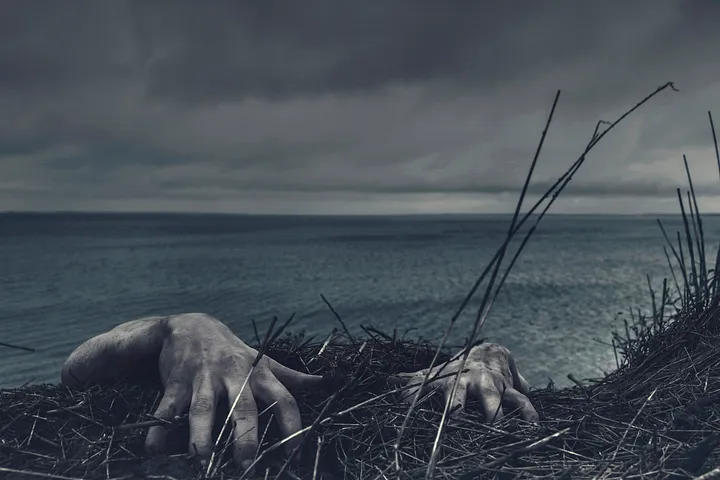
Halloween is right around the corner, and there’s no better time to dive into crafting the perfect spine-chilling tale. Whether you’re writing a short story or working on a full-length novel, nailing the atmosphere and suspense can turn an ordinary plot into something that lingers in the reader’s mind long after the final page.
What is Atmosphere, and Why Does It Matter?
The atmosphere is the soul of your horror story. It’s the dark cloud that looms over your setting, the subtle sense of dread that creeps into your reader’s psyche before anything overtly scary even happens. It’s not just about a haunted house or a dark forest — it’s about how that space feels to the characters and the audience. To build atmosphere, think about tone, mood, and setting. Every detail should add to the sense of unease.
For example, a foggy night in a small town isn’t inherently scary. But if you describe how the fog clings to the ground like something alive, wrapping itself around everything it touches, you’ve set the tone for your readers to feel that creeping tension.
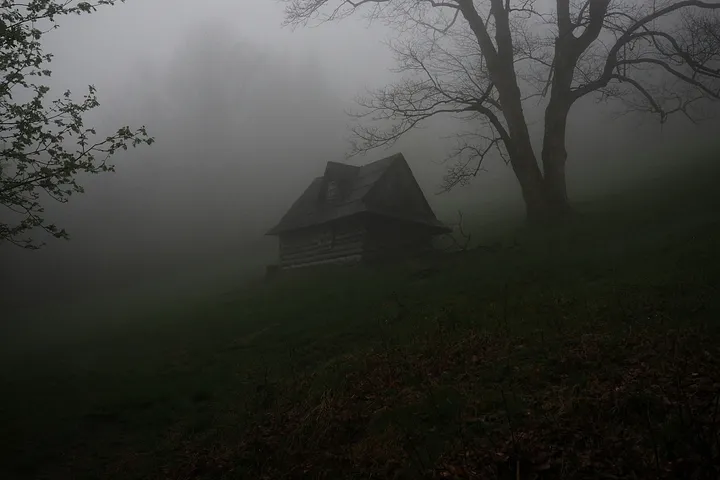
Use all of your senses. What do they see, hear, smell, and even feel (physically or emotionally)? Is there a damp chill in the air? Do the shadows seem to shift in ways that make the heart race? Bring the environment to life as a living, breathing entity.
Building Suspense: The Slow Burn
Suspense is your best friend in horror writing. It’s not about jumping straight into the terrifying moments — it’s about letting tension build until the reader can hardly stand it. One of the best ways to do this is through pacing. A slow, steady escalation of fear creates a sense of anticipation, where readers know something is coming but can’t predict when or how.
Think of suspense as the tightening of a spring. You add just a little pressure with every scene, each conversation, each mysterious noise in the distance. Maybe your protagonist hears a faint tapping at the window every night, but no matter how hard they look, they can’t see anything outside. That little element builds unease. By the time something does happen — when the source of the sound is finally revealed — the reader has been wound up, ready to snap.

Don’t be afraid to make your readers wait for the big scares. Hold them in suspense, give them clues, and let their imaginations run wild with possibilities.
“Description begins in the writer’s imagination, but should finish in the reader’s.” Stephen King
The best horror doesn’t rely on spooky settings or creepy creatures alone; it’s often the characters themselves that help build atmosphere and suspense. Readers need to care about your characters before they fear for them. Give them flaws, make them relatable, and place them in situations where their internal fears mirror the external horrors they face.
For instance, if your protagonist is afraid of the dark, don’t just throw them into a dark room. Show us how they hesitate before turning off the lights, how their pulse quickens at the slightest creak in the floorboards. We feel their fear, and that tension transfers directly to us as readers.

Explore your characters’ psychology. Their fears, weaknesses, and how they react to the growing suspense can make the horror much more personal and impactful.
Don’t Give It All Away…Yet
One of the most effective ways to build both atmosphere and suspense is through subtlety. Horror is often most potent when it plays on what’s not shown or fully explained. Let the reader’s imagination fill in the blanks — it’s usually much scarier than anything you could describe in detail.
Rather than detailing the gruesome monster lurking in the shadows, you might want to suggest its presence through eerie sounds, flickering lights, or strange smells. Leave the exact image of the creature to the reader’s mind, where it can grow into something uniquely terrifying to them.
Less can be more. Give your readers hints and pieces of the puzzle, but don’t reveal everything. Uncertainty creates fear.
Payoff: Delivering the Scare
After all the careful buildup, you have to deliver a satisfying payoff. This is where horror often goes wrong — rushing the climax or under-delivering can leave your readers frustrated. The key is to make sure the reveal or final moment not only meets the level of suspense you’ve built but feels natural to the story you’ve told.
Perhaps the threat isn’t what the reader expects, or maybe the true horror lies in a personal revelation for your character. Whatever your big moment is, make sure it fits with the mood and tension you’ve worked so hard to establish.
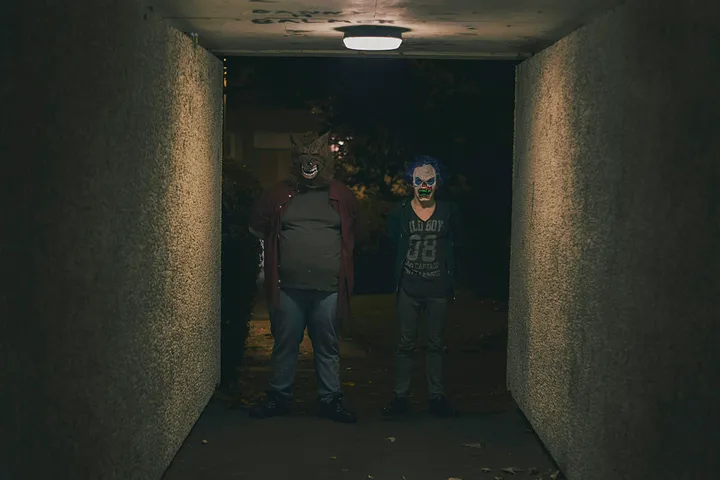
The payoff doesn’t have to be a jump scare. Psychological horror, emotional dread, or even an ambiguous ending can be just as powerful if done right.
Tying It All Together: Perfecting Your Horror Masterpiece
Mastering atmosphere and suspense in horror writing is all about patience, detail, and an understanding of how to make your readers feel the fear themselves. You want them to look over their shoulder while reading, to hesitate before turning off the lights, and to think about your story long after they’ve finished.
As Halloween approaches, take the time to play with these elements in your writing. With the right atmosphere and suspense, you’ll leave your readers with chills that last beyond the spooky season.
Happy haunting! 👻


Comments